
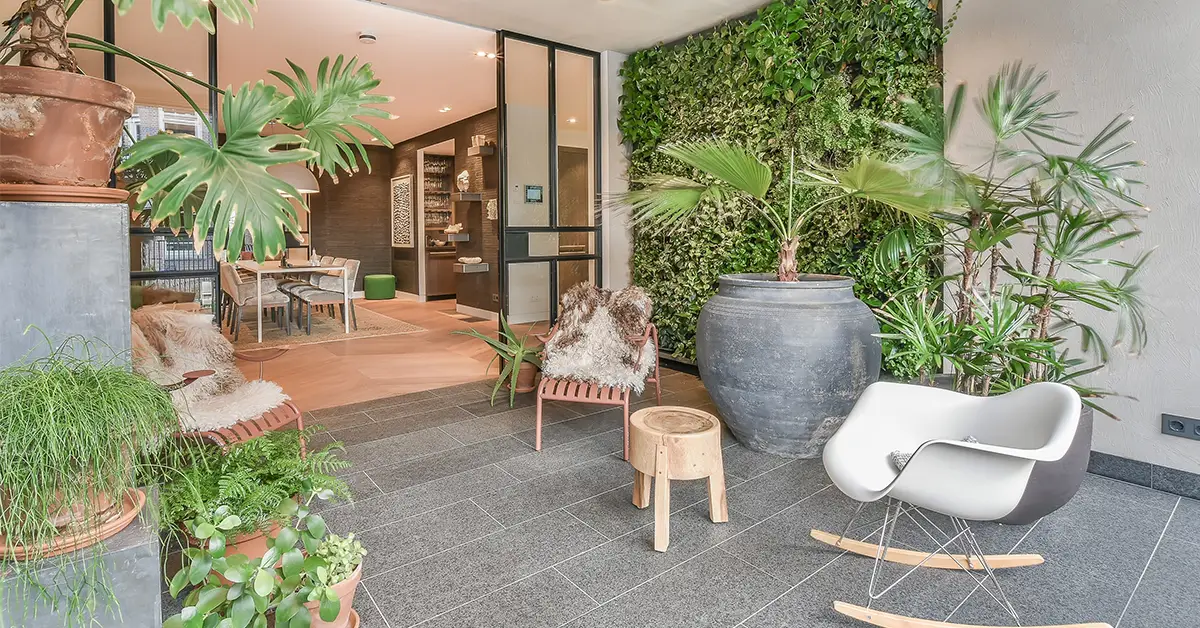
Common Landscaping Mistakes and How to Avoid Them
You spend time choosing beautiful plants, selecting planters, planning a seating area and imagining how your garden will look once everything is finished. Then the first monsoon arrives. Water starts collecting in one corner, a few plants don’t survive, the terrace becomes difficult to maintain and suddenly the landscape doesn’t look quite like the picture you had in mind.
This happens more often than you might think.
Landscaping is not simply about adding greenery to an outdoor space. A successful landscape needs to work with the site’s sunlight, drainage, soil, climate, available space and the way people will use it. When these things are overlooked, even a beautifully designed garden can become difficult to maintain.
If you are planning Landscape Design in Pune, here are some common mistakes worth avoiding before you start.
1. Choosing Plants Because They Look Good
A plant can look perfect at the nursery and still struggle once it reaches your garden.
The amount of sunlight, soil conditions, water availability and surrounding space all affect how well a plant will grow. Pune’s changing weather also needs to be considered when selecting plants, particularly for outdoor spaces that receive strong sunlight or heavy monsoon rain.
Instead of choosing plants first and figuring out where to put them later, start by understanding the conditions of the site. Then select plants that are naturally suited to those conditions. This usually means healthier growth, less maintenance and a landscape that continues to look good beyond the first few months.
2. Forgetting About Drainage Until It Rains
Drainage is probably one of the least exciting parts of landscape planning, but it can become one of the biggest problems if ignored.
A garden may look completely fine when it is dry. Then a heavy monsoon shower arrives and water starts collecting around plants, pathways or low-lying areas. Excess water can damage plants, affect outdoor surfaces and leave parts of the landscape unusable.
Good drainage needs to be considered during the design stage itself. The slope, soil, water flow and location of planting areas should all be planned together. It is much easier to get this right before installation than to fix a drainage problem afterwards.
3. Trying to Fit Too Much Into the Space
More plants, more planters, more decorative features and more seating may sound like a better landscape. In reality, too many elements can make an outdoor space feel crowded.
This is particularly important in Pune’s urban homes, where gardens, balconies and terraces often have limited space.
A good landscape gives every element enough room to work. Plants need space to grow, pathways need to remain accessible and seating areas need to feel comfortable. Instead of trying to use every available corner, focus on creating a layout where the important elements have enough breathing space.
4. Designing Without Thinking About Maintenance
This is one of the mistakes homeowners usually notice only after the project is complete.
A landscape may look beautiful when freshly installed, but what happens when it needs regular watering, pruning, cleaning and upkeep?
Before choosing the planting scheme, think honestly about how much maintenance you are willing to do. If you have limited time, a low-maintenance planting plan and an efficient irrigation system may be more suitable than a garden that requires constant attention.
The best landscape is not necessarily the one with the most plants. It is the one you can realistically maintain.
5. Ignoring the Afternoon Sun
A plant may thrive in one part of the garden and struggle badly a few feet away because the amount of sunlight changes.
This becomes particularly important when planning terraces and open outdoor spaces. Strong afternoon sunlight can affect certain plants, outdoor furniture and even how comfortable a seating area feels.
Plant placement, shade and seating should therefore be considered together. In some areas, a tree or carefully planned shading element can make the space much more comfortable while also helping create better conditions for selected plants.
6. Treating the Landscape Separately From the Building
A landscape should feel connected to the property rather than looking like something added after the building was completed.
The architecture, materials, colours and landscape can work together to create a more cohesive look. A contemporary home may work well with cleaner lines and structured planting, while a more traditional property may suit softer forms and natural materials.
This connection becomes particularly important for entrance areas, terraces and outdoor seating spaces, where the landscape becomes an extension of the architecture.
7. Forgetting How You Will Actually Use the Space
Before designing a garden, ask a simple question: What do you want to do here?
If the answer is relaxing with a cup of tea, the space may need comfortable seating and some privacy. If you want to entertain guests, you may need a larger seating or dining area. If children will use the garden, open space and safe movement become more important.
The purpose of the landscape should influence its layout. When design starts with actual usage rather than just appearance, the finished space tends to feel much more natural.
8. Adding Lighting as an Afterthought
A landscape shouldn’t disappear once the sun goes down.
Outdoor lighting can improve safety and make the space more enjoyable in the evening. Pathways, steps, seating areas, trees and architectural features can all be considered when planning the lighting.
However, lighting should be part of the landscape plan from the beginning. Deciding where lights and electrical points should go after everything is installed can limit your options and create unnecessary changes.
Choosing the Right Landscape Design Company
Good landscape design requires more than selecting plants and drawing a layout. It requires an understanding of the site, materials, planting, drainage, lighting and long-term maintenance.
If you are looking for a Landscape Design Company in Pune, look at how the company approaches the entire project rather than judging it only by photographs. Ask whether they understand your requirements, how they select plants, how they approach drainage and what they consider when planning for long-term maintenance.
At Nivie Design, landscape design is approached as an extension of the property itself. The focus is on understanding the space, its purpose and the people who will use it, and then bringing together planting, materials, layout and other elements in a way that feels considered and practical.
A Landscape Should Look Good Beyond Day One
The real success of a landscape is not how impressive it looks immediately after installation. It is how well it grows, functions and fits into everyday life months and years later.
Before starting your project, take the time to understand the site, choose plants carefully, plan for Pune’s weather, think about drainage and be realistic about maintenance. Most importantly, design the space around how you actually want to use it.
When these decisions are made properly from the beginning, the result is more than a beautiful garden. It becomes an outdoor space that you can genuinely enjoy and live with.